 01738 639 222




Why Sharing Food Brings People Closer
There’s something quietly powerful about sharing food. It’s more than just nourishment; it’s connection, ritual, and memory all served on a plate. Across cultures and generations, the act of eating together has been one of the simplest yet most meaningful ways to bring people closer. Whether it’s a casual family dinner, a festive celebration, or even the thoughtful gifting of a food hamper, sharing food creates bonds that go beyond words.
At its core, sharing food invites people to slow down and be present with one another. In a world that often feels rushed and fragmented, sitting down to eat together creates a shared moment of pause. Conversations flow more easily, laughter comes more naturally, and even silence feels comfortable. Food becomes the bridge that connects people, making interactions feel warmer and more genuine.
Family dinners are perhaps the most universal example of this. In many households, the dinner table is where the day is unpacked—stories are told, challenges are shared, and small victories are celebrated. In Italy, for instance, meals are often long, multi-course affairs where family members linger for hours, savouring both the food and each other’s company. Similarly, in India, meals are often served family-style, with everyone sharing dishes from the center, reinforcing a sense of unity and togetherness. These traditions highlight how food is not just about eating, but about belonging.
In Japan, the concept of “ichiju-sansai” (one soup, three dishes) emphasizes balance and harmony, often enjoyed in a communal setting. Even the phrase “itadakimasu,” said before meals, reflects gratitude—not just for the food, but for the people who prepared and share it. Meanwhile, in Ethiopia, the traditional practice of eating from a shared platter of injera and stews encourages closeness, both physically and emotionally. It’s not uncommon for people to feed each other by hand, a gesture that symbolizes trust and care.
Celebrations take this connection even further. Food becomes the centerpiece of joy, marking milestones and bringing communities together. Think of Thanksgiving in the United States, where families gather around a table filled with familiar dishes, or the Chinese New Year reunion dinner, where each dish carries symbolic meaning for prosperity and luck. In Spain, tapas culture turns eating into a social event, with friends and family sharing small plates and moving from one conversation to the next.
Even in more intimate settings, food has a way of expressing what words sometimes cannot. Cooking for someone is an act of love, and sharing that meal is an act of trust. It says, “I care about you enough to create something for you,” and “I want to share this experience with you.” These small gestures accumulate over time, strengthening relationships in subtle but lasting ways.
This idea extends beautifully into the tradition of gifting food, particularly through hampers. A food hamper is, in many ways, a modern expression of the age-old practice of sharing meals. While you may not be physically present to sit down and eat together, a carefully curated hamper carries the same generosity and connection. It’s a way of saying, “I’m thinking of you,” “I want you to enjoy this,” and “I wish we could share this moment together.”
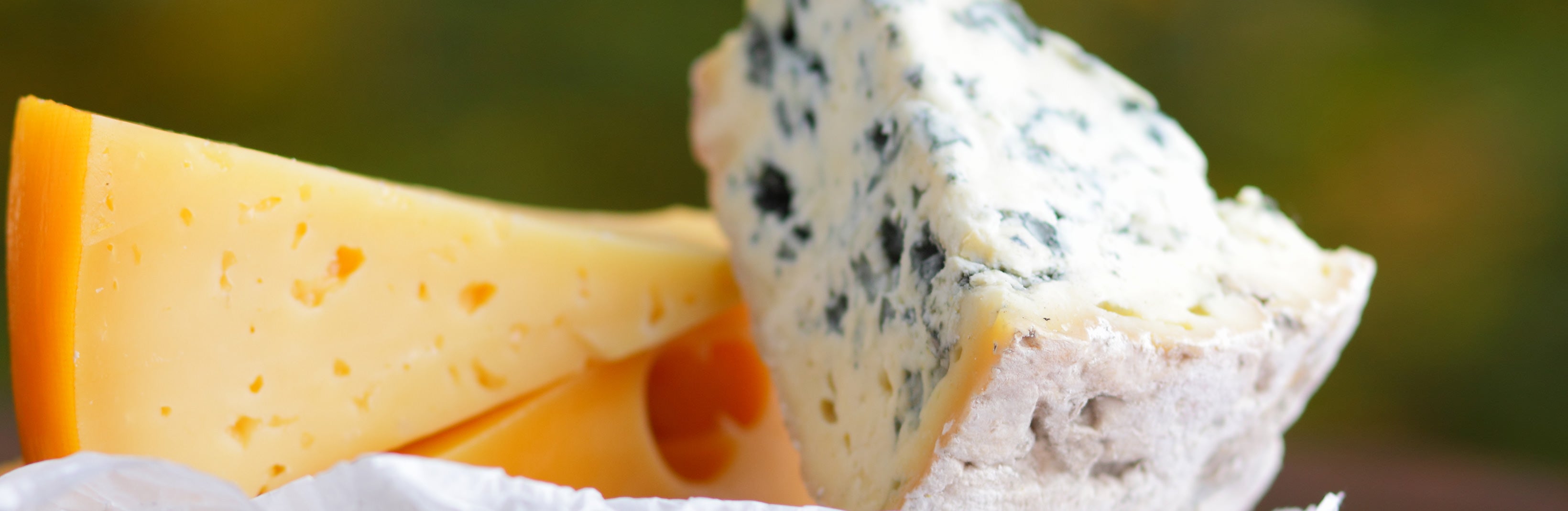
In countries like the UK, gifting hampers during Christmas is a long-standing tradition. These hampers often include a mix of sweet and savoury treats—biscuits, jams, cheeses, chocolates—each item chosen to delight and surprise. In France, gourmet food baskets are a popular gift, reflecting a deep appreciation for quality ingredients and culinary craftsmanship. In Japan, the practice of “oseibo” involves giving gifts at the end of the year, often including food items as a gesture of gratitude.
What makes hampers particularly special is their ability to recreate the feeling of shared abundance. Opening a hamper is an experience in itself—unwrapping layers, discovering different flavours, and imagining the thought behind each selection. It invites the recipient to slow down, savor, and perhaps even share the contents with others, continuing the cycle of connection.
In a way, a hamper becomes a portable feast, a symbolic table that travels across distance. It bridges gaps—whether geographical or emotional—and reminds us that sharing food doesn’t always require physical proximity. The intention behind it carries just as much weight.
Ultimately, the reason sharing food brings people closer is because it engages all the senses while nurturing something deeper: our need for connection. Food is universal, yet deeply personal. It tells stories of culture, history, and identity. When we share it, we’re not just offering something to eat—we’re offering a piece of ourselves.
Whether it’s a bustling family dinner, a festive gathering, or a thoughtfully chosen hamper sent from afar, the act of sharing food continues to be one of the most meaningful ways to connect. It’s simple, timeless, and profoundly human. And in a world where genuine connection can sometimes feel elusive, perhaps the answer is as close as the next meal we share.